Mexico's 2026 Betting Boom: What the World Cup Data Reveals About iGaming
STP reported a 431.75% jump in digital betting transaction activity during Mexico's 2026 World Cup. Here's what that number does — and doesn't — prove.

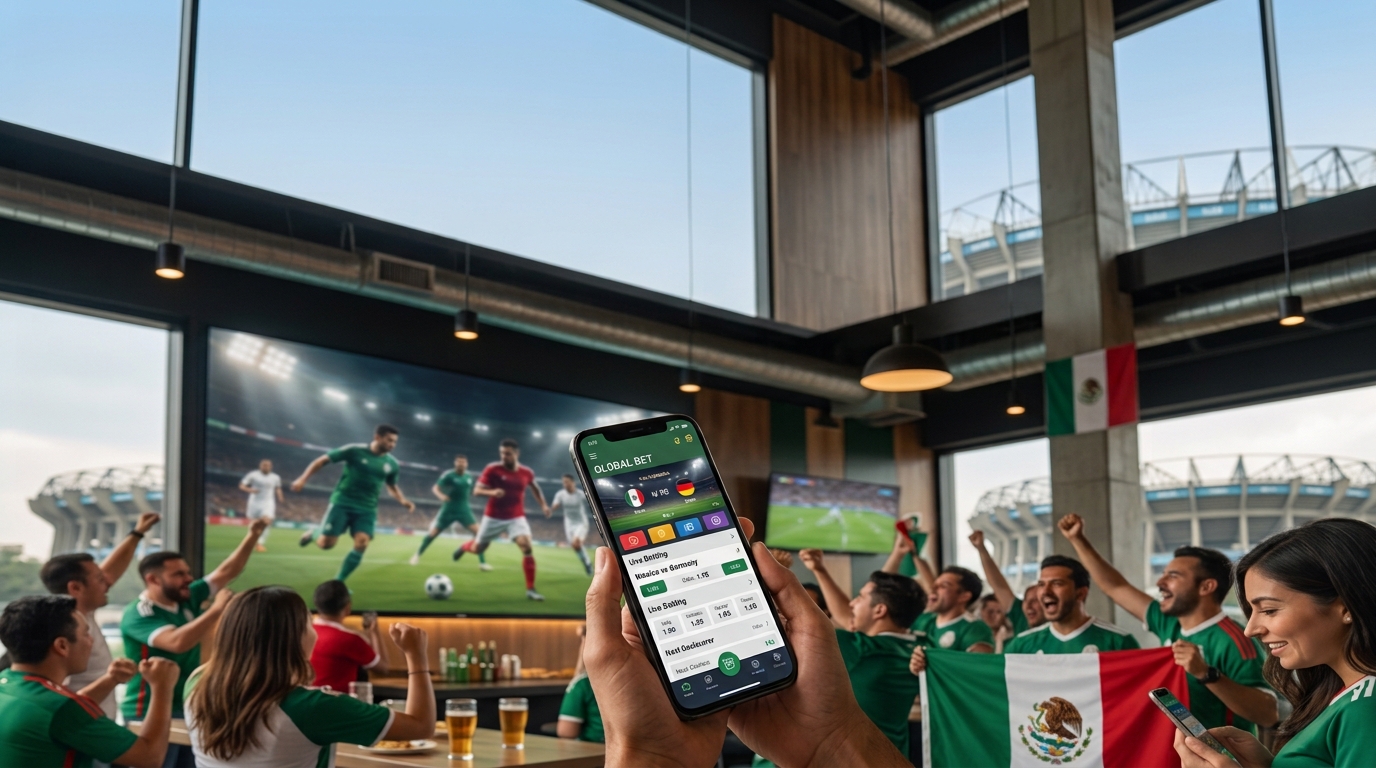
Mexico co-hosted the 2026 FIFA World Cup, and by most measures, its betting market noticed. STP, a major Mexican payments infrastructure provider, reported a 431.75% increase in digital betting transaction activity during the tournament compared with the 2022 World Cup in Qatar. That is a striking number, and it has already been repeated across iGaming trade media as proof of an industry-wide boom.
It's worth being precise about what it actually shows. STP's figure describes the volume and frequency of digital payment transactions flowing to and from betting platforms — not total operator revenue, not the amount of money wagered, and not the number of people betting. Those are different metrics, and conflating them would overstate what the data can support.
Mexico's 431.75% Betting Surge, Explained

STP connects directly to Banco de México's SPEI interbank payment system and, according to the company, provides backend payment infrastructure to the large majority of fintechs and digital wallets operating in Mexico. That position gives its data unusual reach as a proxy for payment activity tied to betting platforms, even though STP itself does not operate a sportsbook.
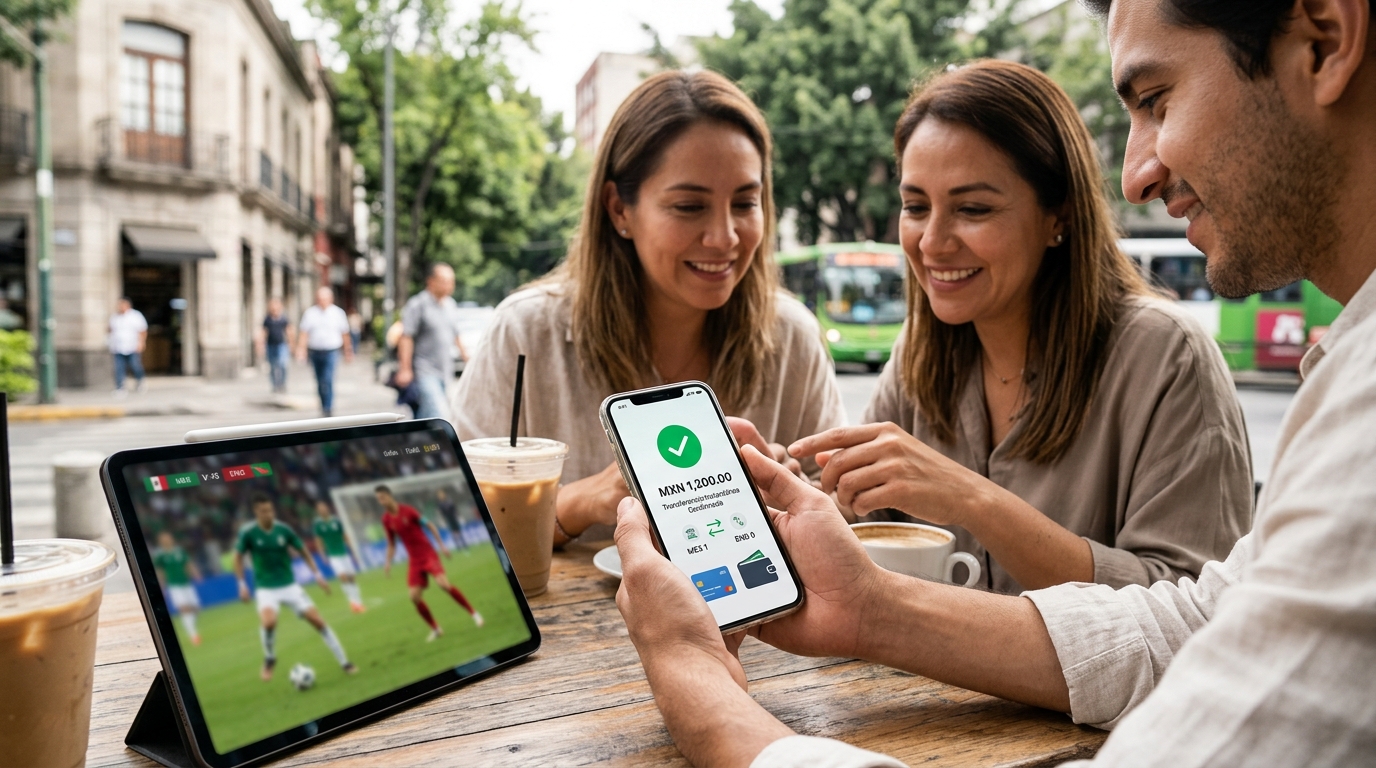
The 431.75% figure, reported August 25, 2026 and first covered by SBC Noticias, refers to the number and frequency of digital betting-related transactions processed through STP's rails during the 2026 tournament, measured against the equivalent window during the 2022 World Cup. It is a measure of transaction activity — how often money moved in and out of betting accounts — rather than a measure of how much money moved, how much revenue operators booked, or how many distinct people were doing the betting.
That distinction matters because a single bettor engaging in frequent, small, real-time wagers during a fast-moving match generates many more transactions than a bettor placing one pre-match bet, even if the second bettor stakes more money overall. A jump in transaction volume is consistent with more bettors, more frequent betting by existing users, or both — the STP data alone doesn't separate those explanations.
Separate survey research from Ipsos Mexico, conducted around the tournament, found that 40% of Mexicans surveyed said they were familiar with sports betting, and that among that group, 34% said they planned to actively bet on the World Cup. Of those intending to bet, 44% expected to wager between MXN 500 and MXN 2,000. That survey data speaks to intent and self-reported behavior rather than confirmed transactions, but it is directionally consistent with a market that saw a real spike in betting interest around the tournament.
Why the 2026 World Cup Was Different
Mexico's status as a co-host, alongside the United States and Canada, gave this tournament a domestic dimension that 2022 in Qatar did not have for Mexican fans. The national team's run was part of that story. Mexico won its first four matches of the tournament without conceding a goal before losing 3-2 to England in the Round of 16 at Estadio Azteca on July 6, 2026 — a result that ended the deepest World Cup run the team had made since it last hosted the tournament, in 1986.
Football's cultural weight in Mexico, combined with matches played in home stadiums and at convenient local kickoff times, plausibly created more opportunities and more attention for betting activity than a tournament played on another continent would. Live and in-play betting, in particular, tends to generate more frequent transactions than pre-match wagering alone, since bettors can place additional bets as a match unfolds.
Separately, industry market research cited in trade coverage puts sports betting's share of Mexico's online gambling revenue at 56.41% in 2025, with the category projected to grow at a compound annual rate of 17.82% through 2031. That CAGR figure is a market projection, not a confirmed outcome, and should be read as an analyst estimate of future growth rather than a measured result. The same research points to bettors aged 25 to 40 accounting for roughly 49.44% of the market, with younger bettors described as the fastest-growing segment — again, figures drawn from third-party market analysis rather than operator-disclosed data, and worth treating as directional rather than precise.
None of this establishes that the World Cup alone caused the transaction surge STP reported. It's more accurate to say the tournament created conditions — sustained attention, frequent live-betting opportunities, and a home-continent event — under which a surge in betting-related payment activity would be expected.
Payments Helped Remove Friction
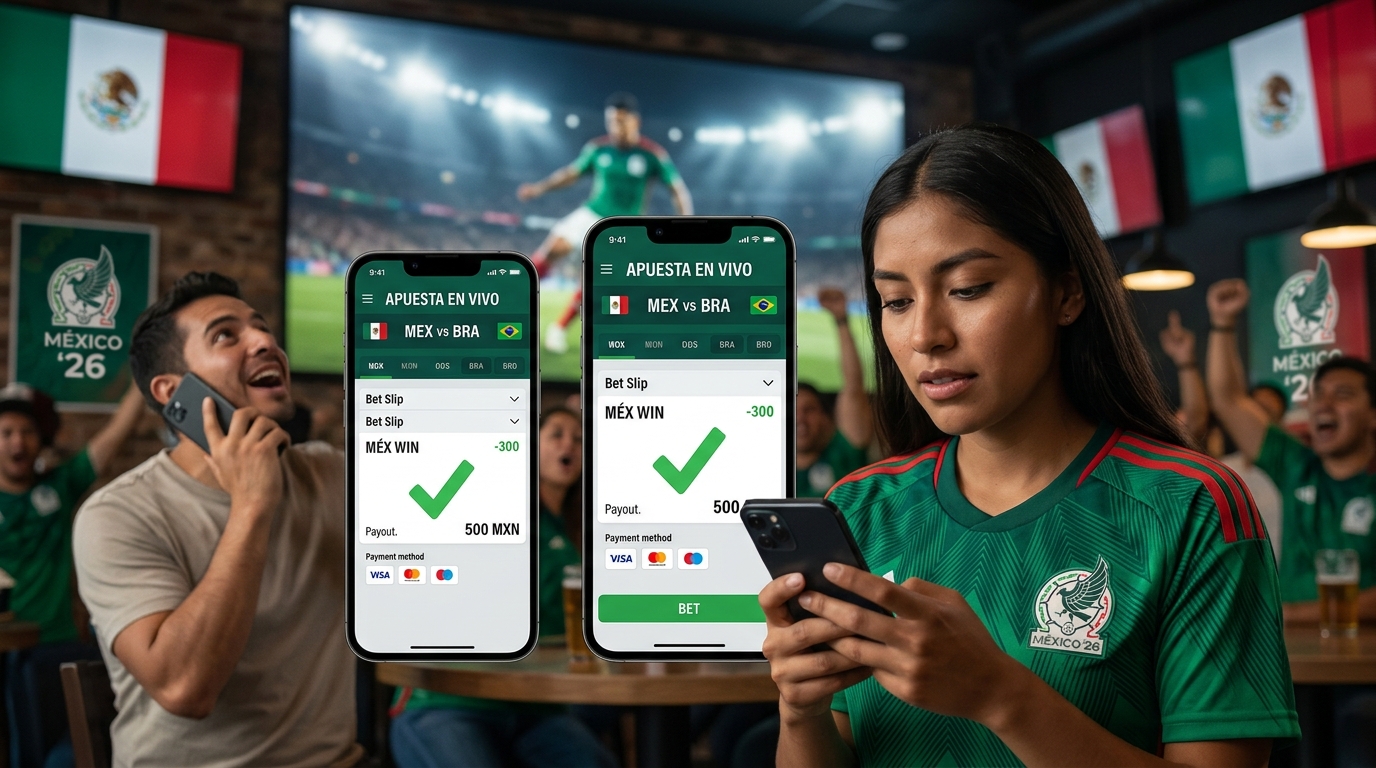
Part of the story behind any transaction surge is infrastructure. Latin American iGaming has historically been constrained by how difficult it is to move money in and out of betting accounts, and Mexico is no exception. Mobile and tablet devices are reported to account for roughly 64% of online gambling stakes in the country, which puts a premium on fast, frictionless mobile payment options.
Cash-based methods like OXXO Pay have long played an important role in Mexican online betting, reflecting a market where card penetration has historically been limited. But the broader trend has been toward digital wallets, such as Mercado Pago, and direct bank transfers processed through SPEI. STP's role as a connector into SPEI allows for near-instant, around-the-clock transfers, which shortens deposit and withdrawal times and can reduce the number of bettors who abandon the process out of frustration.
That infrastructure plausibly made it easier for existing and new bettors to place frequent, small, real-time wagers during matches — the kind of behavior that would show up as a large increase in transaction count. But faster payments are an enabling condition, not a cause on their own. SPEI and STP's rails didn't generate demand for betting; they made it easier to act on demand that the tournament itself created. Crediting the payment system alone for the 431.75% figure would overstate its role.
Mexico's Online Betting Market Is Still Complicated
Mexico's regulatory structure for online gambling remains layered and, in places, opaque. Oversight sits with the Secretaría de Gobernación (SEGOB), through its Dirección General de Juegos y Sorteos (DGJS). Online betting is legal, but only for operators that partner with an entity holding an existing land-based casino permit — there is no standalone online license track.
SEGOB has not issued new independent online permits in recent years, and the practice of "sub-licensing" smaller operators under larger permit holders was halted in late 2023. As a result, foreign operators looking to enter the market generally need to form joint ventures with established local land-based operators and go through an extended audit process covering random-number-generator testing and anti-money-laundering compliance before launching. The regulated market is currently dominated by entrenched domestic brands such as Caliente.mx, Codere, Playdoit and Logrand's Strendus, alongside international operators including Bet365 and Betway that have secured local partnerships.
Operators in the legal market also face a meaningful tax burden: a 30% corporate income tax (ISR) and a separate 30% special tax on production and services (IEPS) applied to betting turnover, with some regional tax offsets available. This isn't a comprehensive account of Mexico's gambling law, and nothing here should be read as legal guidance for operators or players — the regulatory picture is genuinely complex and is best confirmed directly with SEGOB or qualified local counsel.
The Responsible Gambling Challenge
A surge in betting activity, particularly live and in-play betting, raises familiar consumer-protection questions. Live betting rewards speed and frequency, which is part of what makes it commercially attractive to operators — and part of why regulators and player-protection advocates watch it closely.
SEGOB has reported a year-over-year increase in self-exclusion requests, which the agency and industry commentators have linked to the growth in fast-paced, real-time wagering. In response, some regulated operators say they are deploying automated tools designed to flag unusual spending patterns, though the effectiveness of these tools in practice is not independently verified. Mexican law requires that gambling advertising carry an 18+ warning, display the operator's permit number, and include a responsible-gambling message ("Juega con responsabilidad").
Anyone concerned about their own betting, or a family member's, can find guidance through Level.casino's responsible gambling resources.
Legal Operators vs the Offshore Market
Mexico's regulated betting market operates alongside a persistent offshore and unlicensed sector. In June 2026, authorities coordinated by SEGOB carried out raids across the states of Colima, Aguascalientes and Guanajuato, seizing large numbers of illegal slot machines linked to organized crime — action aimed primarily at unlicensed land-based gaming rather than online platforms specifically.
The United Nations Office on Drugs and Crime has separately warned of a rise in illegal betting activity tied to the 2026 World Cup. Industry estimates put the value diverted to offshore and unregulated platforms at roughly $370 million annually, though this figure should be treated as an industry estimate rather than an independently audited government statistic, since the methodology behind it is not fully disclosed in available reporting. It illustrates that an offshore market exists and is a genuine concern for regulators, without establishing a precise, verified size for it.
What Happens After the World Cup?
The more interesting question for Mexico's iGaming sector is not whether the World Cup drove a spike — the transaction data makes that reasonably clear — but whether it produces anything durable. Tournament-driven surges are common in sports betting markets worldwide, and they don't automatically translate into sustained growth once the event ends.
Several factors will determine that outcome. Whether operators can retain the bettors they acquired during the tournament, rather than seeing activity drop off once the World Cup calendar disappears, is one. Whether the payment infrastructure improvements that reduced friction during the tournament continue to be used for regular domestic football and other sports betting is another. Regulatory capacity also matters: SEGOB's ability to maintain oversight of a market that just processed an unusually high volume of activity, and to keep pace with both legal operators and offshore competitors, will shape how sustainable this growth proves to be. None of this can be answered definitively yet — it depends on data that will only become available in the months after the tournament.
What the Data Really Tells Us
The strongest, best-supported claim available from this research is a narrow one: digital betting transaction activity in Mexico increased dramatically around the 2026 World Cup, according to payment-processing data from STP. That is a real and significant data point about how people interacted with betting platforms during the tournament.
What the data does not yet establish is that Mexico's overall betting market grew by 431.75%, that operator revenue rose by that amount, that the number of bettors increased by that percentage, or that this growth will continue once the tournament effect fades. Treating a transaction-activity metric as a stand-in for all of those things would be a misreading of what STP actually measured.
Conclusion
The 2026 World Cup demonstrated, in concrete terms, the scale of demand for digital betting in Mexico when a major, home-continent sporting event, improved payment infrastructure and a football-obsessed public align. What it hasn't yet demonstrated is whether that demand converts into lasting market growth. That depends on factors still playing out: whether operators retain the users they acquired, whether regulators keep effective oversight of a fast-growing market, and whether the industry can expand without a corresponding rise in gambling-related harm. The tournament may prove to be an important inflection point for Mexican iGaming — but on the evidence available now, that remains a question rather than a settled conclusion.